
Can You Actually Save Money Teaching English in Vietnam? A Real Budget Breakdown
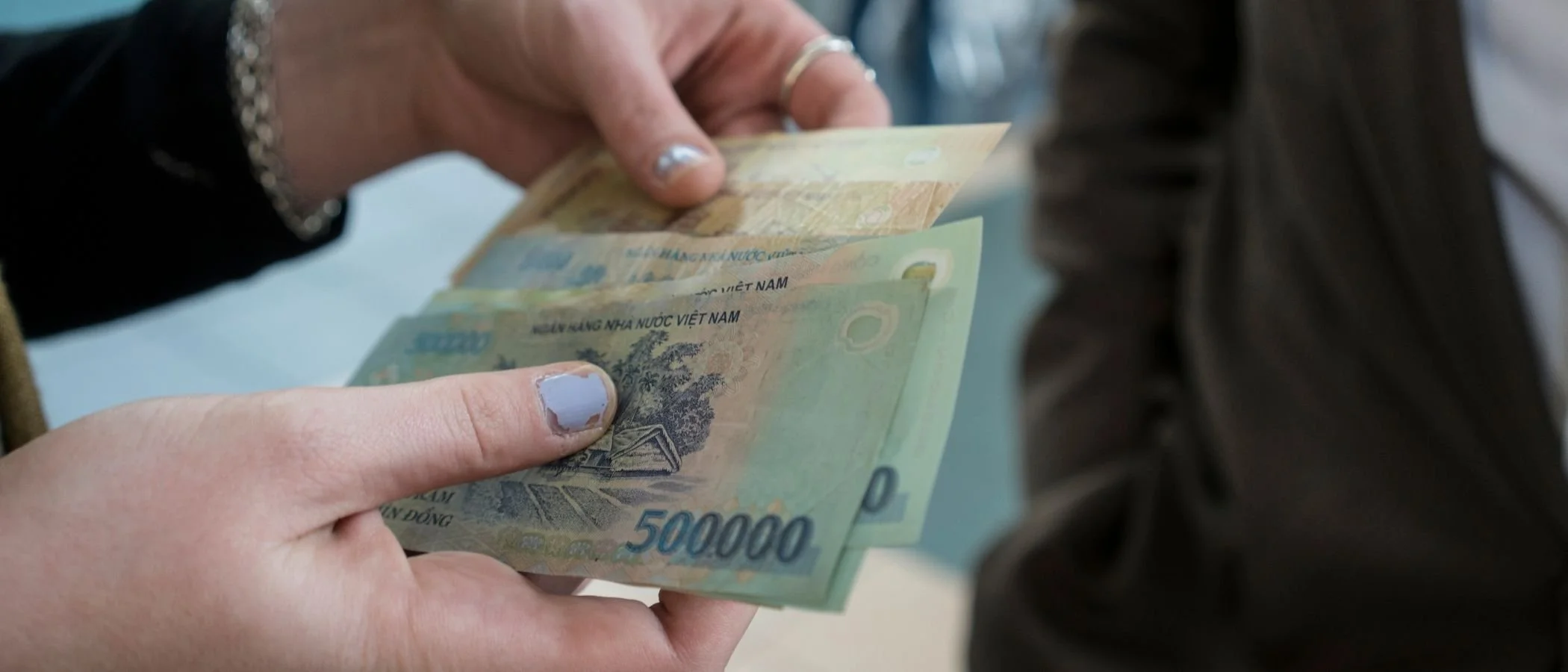
Most teachers finish the semester having saved somewhere in the region of USD 2,000, after everything, including what you pay out before you even land. You will not get rich on $1,000 a month. But with accommodation provided and only five months to budget for, saving something real is realistic for most people who are not trying to travel every single weekend.
Here is the actual maths, not the rounded-up version you see on recruitment websites.
What you actually earn
The school where you are placed pays $1,000 USD a month, plus a $500 completion bonus paid out at the end of the semester.
Each month, a $30 deduction for transport to and from school and a $30 deduction for utilities such as internet, water, and electricity come out of that $1,000, so you receive about $940 in hand every month.
Over a five-month placement, that is $4,700 in net salary, plus the $500 bonus, for $5,200 in take-home pay across the whole semester.
You will also pay for a mandatory health check during orientation week, around $80, as part of the work permit process, which brings your real spending money for the semester to roughly $5,120.

It is paid in cash locally, on a set date each month, not transferred to a foreign bank account, so you are spending in the same currency you are earning in, which matters more than it sounds.
What accommodation actually costs you: nothing
This is the number that changes the whole equation.
Your school provides shared housing, three to six teachers per house or apartment, all in individual rooms, as part of the placement.
For most people travelling or working abroad, rent is the single biggest monthly cost. Here, it is already covered, which is a large part of why the maths works even on a modest salary.
What you will actually spend week to week
With rent and transport handled, your discretionary spending is mostly food, socialising, phone data, and the odd weekend trip.
Eating mostly local food and going out a couple of times a week, a realistic range is $300 to $450 a month.
Travel every weekend to Ha Long Bay or Sapa and you will land at the higher end, or above it. Stay closer to home most weekends and you will comfortably sit under $300.
Either way, this is the number you actually control, not your salary.
What you pay before you even land
Be honest with yourself about the costs that happen before your first pay cheque: your own flights, travel insurance, and, if your documents come from the UK or South Africa, a legalisation bundle of roughly £160.
If you do not already hold a TEFL certificate, add the cost of a 120-hour course on top.
This is real money out of your pocket before the semester even starts, and it is worth budgeting for honestly rather than being surprised by it.
So, can you save money?
Yes, but treat it as a break-even trip that pays you back, not a way to get rich.
Once you net out the deductions, a modest weekly budget, and your pre-departure costs, most teachers walk away with a couple of thousand dollars saved and a semester of real classroom experience.
For a five-month commitment with no long-term contract, that is a genuinely fair trade.
Want to see your own numbers?
Every teacher's budget looks a little different depending on where they end up and how they like to spend a weekend.
Apply now and our team can talk you through what a realistic budget looks like for your placement, no cost and no obligation to find out.
Questions first? Email vietnam@fluenteducation.com